Is Your Boat Covered by Homeowners Insurance in Connecticut?
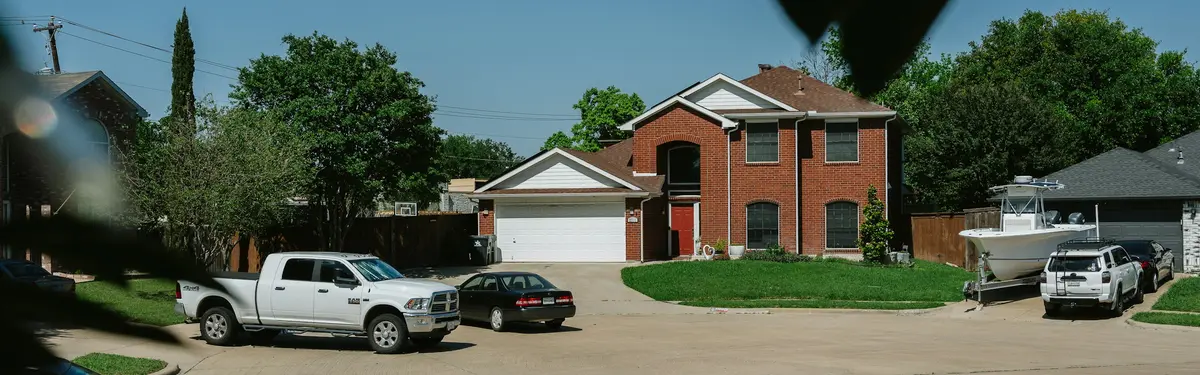
Homeowners policies do cover some watercraft - but the limits are small and the exclusions are sharp. Here is exactly where that coverage ends and a boat policy has to begin.
The Short Answer: Partly, and Not for Long
A standard Connecticut homeowners policy does include some watercraft coverage. It is genuinely useful for a canoe or a small dinghy, and genuinely inadequate for almost anything with meaningful horsepower. The problem is that owners assume the coverage scales with the boat. It does not.
Where the Limits Usually Sit
Homeowners forms vary by carrier, but the pattern is consistent:
- Physical damage to a boat is typically capped at a low flat figure - often around $1,000 to $1,500 - and frequently only while the boat is on your premises.
- Liability extends only to small, low-powered craft. Once you exceed a stated horsepower or length threshold, liability for boating operations is excluded outright.
- Trailers may be treated separately again, with their own limit.
Those thresholds are the crux. A kayak is inside them. A 17-foot outboard is almost certainly outside them.
What Is Excluded Even When the Boat Qualifies
Even where a small craft is covered, homeowners forms typically will not respond to:
- Damage occurring while the boat is in transit on a trailer, in many forms
- Salvage, wreck removal or towing on the water
- Fuel spill liability and pollution cleanup
- Injury to passengers arising from boating operations, once above the threshold
- Damage from wear, marine life, or gradual deterioration
The Flood Point People Miss
Homeowners insurance does not cover flood, and that applies to a boat stored at the house as much as to the house itself. If your boat is on a trailer in the driveway of a waterfront property in Connecticut and storm surge reaches it, neither the homeowners policy nor a typical flood policy is likely to make you whole - NFIP contents coverage does not extend to self-propelled vehicles and watercraft in the way owners assume. A marine policy is the reliable route.
When You Have Genuinely Outgrown the Homeowners Policy
Move to a dedicated boat policy when any of these is true:
- The boat exceeds your policy's horsepower or length threshold - ask for the number
- The hull is worth more than the flat watercraft limit, which is nearly always
- Your marina or lender requires proof of liability coverage
- You carry passengers who are not household members
- You want towing, wreck removal, or uninsured boater protection
Two Calls Worth Making This Week
- Ask your homeowners carrier for the exact horsepower and length thresholds and the flat watercraft limit on your form.
- Compare that against the actual replacement cost of your boat and the liability you would face carrying guests.
If the gap is uncomfortable - and for most powered boats it is - a standalone policy is not an upsell, it is the difference between a covered loss and an uncovered one.
Coverage by Craft Type
| Craft | Usually covered by homeowners? | Recommended |
|---|---|---|
| Kayak, canoe, paddleboard | Generally yes | Homeowners is usually adequate |
| Small sailboat, no motor | Often yes | Schedule if valuable |
| Dinghy with small outboard | Sometimes, under HP threshold | Confirm the threshold |
| Runabout or centre console | No - liability excluded | Boat policy |
| Jet ski / PWC | Usually excluded | PWC policy |
| Cabin cruiser or yacht | No | Yacht policy |
Thresholds differ by carrier and form. The only reliable version of this table is the one your own policy produces - ask for the numbers.
The Deductible Problem
Even where a small craft is covered as personal property, your homeowners deductible applies. With deductibles commonly set at $1,000 or more - and higher on many coastal Connecticut policies - a claim for a $900 kayak produces nothing. Worse, filing small claims can affect renewal pricing. For inexpensive craft, the practical answer is often to self-insure the property and focus on liability instead.
Frequently Asked Questions
What horsepower limit applies to my policy?
It varies by carrier and form, so it must be read rather than guessed. Ask your agent for the specific horsepower and length thresholds in writing. Exceeding them typically removes boating liability coverage entirely, which is the coverage that matters most.
Is my boat covered while stored in my garage over winter?
Property coverage for a small craft on premises is the most likely scenario to be covered, subject to the flat watercraft limit and your deductible. Larger boats generally are not, and marina or yard storage introduces different questions again. Confirm rather than assume.
Does my homeowners policy cover my boat trailer?
Sometimes as personal property, often with its own sub-limit, and frequently not while in transit. Trailers are a common coverage gap - a boat policy usually handles the trailer more coherently.
What about liability if a guest is injured on my boat?
If the boat is above the policy threshold, homeowners liability will not respond to boating operations. That is the scenario people most often assume they are covered for and most often are not.
Will an umbrella policy cover my boat?
An umbrella sits above underlying policies and generally requires the underlying coverage to exist and to meet minimum limits. It extends boat liability only where a qualifying boat policy is already in place - it does not create primary coverage.
Get a Connecticut-Specific Quote
Coastal CT Insurance is an independent agency based in Bridgeport. We compare policies from multiple carriers so you can see how coverage and price actually differ for your vessel or property. Request a free quote or talk to an agent about your situation.