Commercial Fishing Vessel Insurance in Connecticut
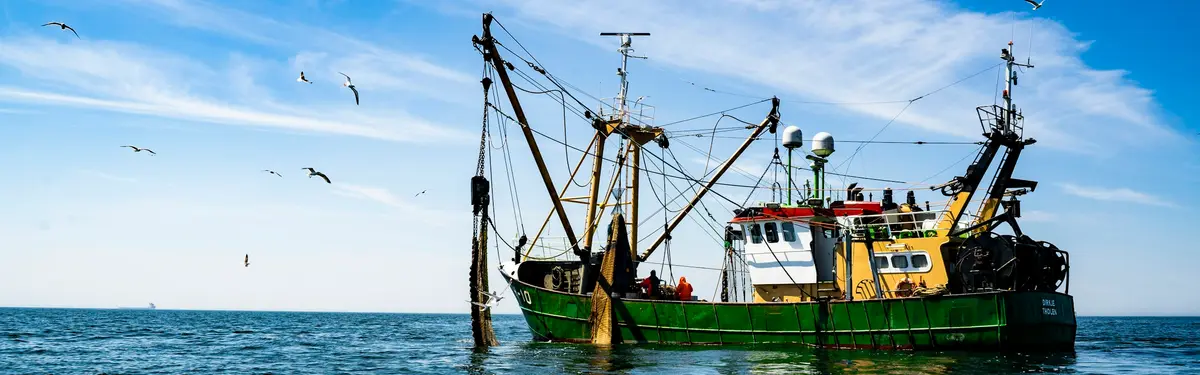
Coverage for Connecticut's commercial fishing and shellfishing fleet: hull, P&I, crew exposure under the Jones Act, gear, and the loss-of-income coverage most operators overlook.
A Working Vessel Is a Different Risk
Connecticut's commercial fleet - draggers, lobster boats, and the shellfishing operations working the beds off Connecticut and across the Sound - carries exposures that no recreational policy contemplates. The vessel is a workplace, the crew are employees with statutory rights, and time out of the water is lost income rather than a lost weekend.
The Core Components
Hull and machinery
Physical damage to the vessel, engine and permanently attached equipment. Working hulls take harder use than recreational ones, so surveys are scrutinised closely and maintenance records matter.
Protection and indemnity (P&I)
Marine liability for injury and damage arising from vessel operations, including collision liability, dock damage and pollution response. For a commercial vessel this is the backbone of the programme.
Crew injury - the part that ends businesses
Commercial crew generally fall outside ordinary state workers' compensation. Depending on role and vessel, exposure sits under the Jones Act (crew members who are seamen) or the Longshore and Harbor Workers' Compensation Act (shoreside and loading work). Jones Act claims can be substantial, and a single serious injury without correct coverage can be unrecoverable. Get the classification right before the season, not after an incident.
Gear and equipment
Traps, nets, dredges, cages and electronics are frequently excluded or heavily sub-limited under the hull form. If gear represents real capital in your operation, schedule it explicitly and confirm whether it is covered while deployed, not only while aboard.
Loss of Income and Business Interruption
This is the most commonly omitted coverage in the fleet. If the boat is out for eight weeks after a machinery casualty, hull coverage repairs the vessel - it does not replace the eight weeks of landings. Ask specifically about loss-of-earnings or business-interruption terms, how the daily figure is set, and whether there is a waiting period before it begins.
What Underwriters Will Want
- Current marine survey and maintenance history
- Captain's experience, licensing and loss record
- Fishery, gear type and season
- Operating area and distance offshore
- Crew size and how each role is classified
- Safety equipment, drills and documented procedures
- Lay-up period and winter storage arrangements
Practical Ways to Improve Your Terms
- Keep the survey current - lapsed surveys are the most common cause of a declined renewal
- Document safety drills and training; underwriters credit demonstrable programmes
- Address every safety recommendation from the last survey and keep the receipts
- Review your declared operating radius annually so you are neither over-paying nor uncovered
- Report changes in fishery or gear mid-season rather than at renewal
Jones Act vs. USL&H: Which Applies?
| Jones Act | USL&H | |
|---|---|---|
| Who it covers | Seamen - crew contributing to vessel function, with substantial time aboard | Maritime workers who are not seamen: dock, loading, repair |
| Type of remedy | Negligence claim against the employer | Scheduled no-fault benefits |
| Damages | Potentially large; decided case by case | Defined by statute |
| Also owed | Maintenance and cure regardless of fault | Medical and wage benefits |
The categories are fact-specific and the boundaries are genuinely litigated. Classify roles with your agent before the season and revisit whenever duties change.
Maintenance and Cure
Distinct from any negligence claim, a vessel owner owes an injured seaman maintenance (daily living costs ashore while recovering) and cure (medical expenses to maximum recovery), largely regardless of fault. It is a strict obligation, and failure to pay promptly can expose the owner to additional damages. Confirm your P&I coverage responds to it.
Frequently Asked Questions
Can I insure a commercial boat on a recreational policy if I only fish commercially part-time?
No. Recreational forms exclude commercial use, and part-time commercial activity is still commercial activity. A claim arising during paid work would very likely be denied. If any portion of your use is commercial, the policy has to be written for it.
Is my gear covered while it is in the water?
Frequently not under the hull form. Traps, nets and cages deployed away from the vessel are typically excluded or narrowly sub-limited, and coverage for gear lost to storms is a specific question. Schedule gear explicitly and ask about deployed coverage by name.
What happens if my survey lapses mid-season?
Terms vary, but a lapsed survey can suspend coverage or give the carrier grounds to reduce or deny a claim. Diary the expiry date well in advance - surveyor availability is limited in season.
Does my policy cover me if I fish outside my declared area?
Generally not. Navigation limits are a rated term. If you intend to work further offshore or in a different fishery, have the territory amended before you go rather than afterwards.
Is loss of income coverage worth it?
For most owner-operators, it is the coverage that determines whether a bad casualty is survivable. Hull coverage restores the boat; it does not replace the landings you missed while it sat in the yard. Ask how the daily benefit is calculated and what waiting period applies.
Get a Connecticut-Specific Quote
Coastal CT Insurance is an independent agency based in Bridgeport. We compare policies from multiple carriers so you can see how coverage and price actually differ for your vessel or property. Request a free quote or talk to an agent about your situation.