Insuring an Older or Wooden Boat in Connecticut: What Changes After 15-20 Years
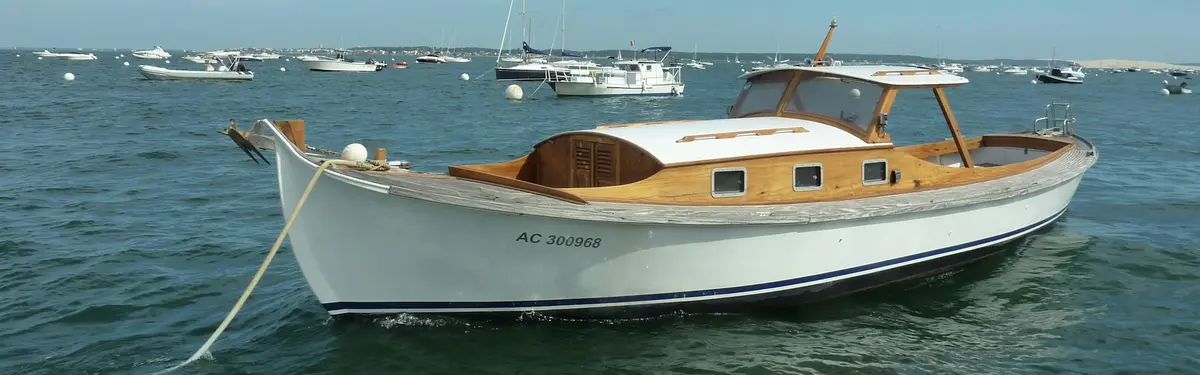
Age is the line most carriers underwrite around, and hull material adds a second layer for wood boats. Here is when carriers pull back, how the specialty market picks up the rest, and what agreed value actually requires you to prove.
Age Is a Line, Not a Wall - But It Moves Between Carriers
There is no single industry cutoff for "too old to insure," and anyone who tells you a fixed number is wrong is guessing. What is consistent is the pattern: somewhere between 15 and 20 years, depending on the carrier, boats start needing a survey to be written at all, and some carriers stop writing certain hull types past that point regardless of condition. A boat that a generalist carrier declines outright is often still insurable - just not through the first quote engine you try.
The Survey Becomes Non-Negotiable
On a newer boat, a survey might be optional. On an older one, it almost never is - carriers use it to confirm the boat is what the application says it is, and to set the number an agreed-value policy gets written against. We cover what a surveyor actually examines, who is allowed to perform one, and how to clear the recommendations that come back, in full, here: marine surveys and boat insurance in Connecticut. The short version for an older boat: budget for it as part of the purchase, not as a surprise after the offer.
Wood Hulls Are Their Own Conversation
Fewer carriers write wood boats than fiberglass, full stop, and the ones that do tend to be classic and antique specialty markets rather than the generalist boat insurers most owners start with. The underwriting concern is maintenance-dependent risk that does not show up the same way on a fiberglass hull: rot, fastenings working loose, caulking and seam condition, and how consistently the boat has been hauled and maintained rather than just stored. A strong maintenance record with photos and receipts does real work here - it is evidence the risk is being actively managed, not a boat quietly deteriorating between owners.
Agreed Value Protects What You Actually Have
On a restored or well-maintained older boat, actual cash value is close to useless - a depreciation schedule has no way to account for a rebuilt engine or a stripped-and-refinished hull, and it will settle a total loss at a fraction of what the boat is actually worth. Agreed value fixes a number up front, based on the survey, and pays that number regardless of market swings or age. The full comparison between the two is here - read it before the survey, because the documentation that supports a strong agreed-value number is easier to gather before an appraisal than after a dispute.
What Carriers Look at Beyond the Birth Year
- Maintenance and refit records. Engine hours, haul-out history, and any major work - the more documented, the better the underwriting story.
- Storage. A boat hauled and properly winterized every year underwrites better than one left in the water year-round. How lay-up credits and winterizing requirements work in Connecticut.
- Prior claims. A clean claims history matters more on an older hull, where carriers are already pricing in more uncertainty.
- Intended use. A well-kept older boat used gently and locally is a different risk than the same hull chartered or raced hard.
When the Standard Market Says No
A decline from one carrier on an older or wood boat is common and not a dead end. It usually means the file needs to go to a market that specialises in exactly this - classic, antique, or agreed-value specialty underwriters who price older hulls as their normal business rather than an exception. This is squarely where an independent agency earns its keep: we are not tied to one carrier's appetite, so a "no" from the first quote is a data point, not the final answer.
Get a Connecticut-Specific Quote
Coastal CT Insurance is an independent agency based in Bridgeport. Tell us the boat's age, hull material, and maintenance history, and we will tell you early which markets are realistic and whether a survey is going to be the gating step. Request a free quote or talk to an agent about your situation.